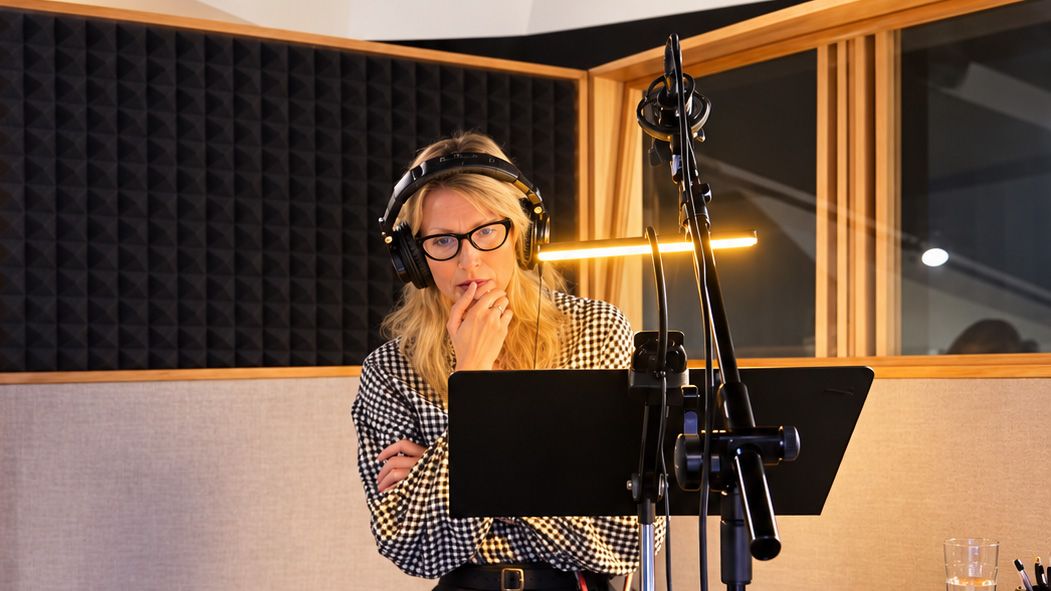
Lucy Punch, Bicester Village and the art of the 20 second ad
A campaign that uses personality, performance and production craft to make every second of its 20 seconds count.
Audio AdvertisingTim Nice

A campaign that uses personality, performance and production craft to make every second of its 20 seconds count.
A great audio brief covers: what the audio needs to achieve, who it’s aimed at, where it’ll run, what brand assets exist, what the budget and timeline look like, and how much creative freedom the agency has to push the work. Get those right and the rest tends to follow.

There’s a gap between content that exists and content that performs. And that gap is where humans still make the difference.
A podcast needs to answer three questions before anyone goes near a microphone. Who is this for? Why would they listen? Why would they come back? If the answer to any of those is vague, the show is already in trouble. The audience you’re hoping to attract has thousands of other options. Your podcast has to earn its place against all of them.

It seems like it should be straightforward. You’ve got a TV campaign that’s tested well, everyone loves it, the script is sharp. All you need to do is adapt it for radio. Take the script. Book a voice. Record it. Done. Except it never quite works like that, does it?

Ask a marketing director if they have brand guidelines and they’ll point you to a 40-page PDF. Fonts, colours, tone of voice, logo usage, the lot. Everything anyone needs to keep the brand consistent across every touchpoint. Now ask them what their brand sounds like. Most of the time, you’ll get a pause. Maybe a mention of the jingle from three campaigns ago. Perhaps a reference to whatever music the last agency picked. But an actual, documented audio strategy? Almost never.