Skip to content

We built the agency we wished existed.

why we exist

We know what good sounds like.

Trisonic wasn’t started by people who fancied getting into audio. It was started by people who’d spent years doing it. Producing, directing, running studios, working with brands and agencies at every level.

We knew that what wasn't needed was another churn-it-out production line. The kind that cuts corners. Where clients walk away thinking audio doesn’t work for them, when what actually failed was the execution.

We’d seen enough of that. So we built the opposite.

Not a bigger version of what already existed. A deliberately different kind of agency. One where the quality of the creative comes first. Where we take on work we can do properly, or we don’t take it on. And where the people you meet are the people who make the work.

The collective

A collective of people who are obsessive about audio.

Writers who write for the ear. Directors who notice things you won't but listeners will. Composers, editors and sound designers with an inbuilt quality threshold, even when budgets are tight.

The Trisonic team is a collective of specialists we've brought together because they share the same standard. No generalists. No juniors learning on your brief.

Led by people who've been doing this long enough to know how to make it work.

Image

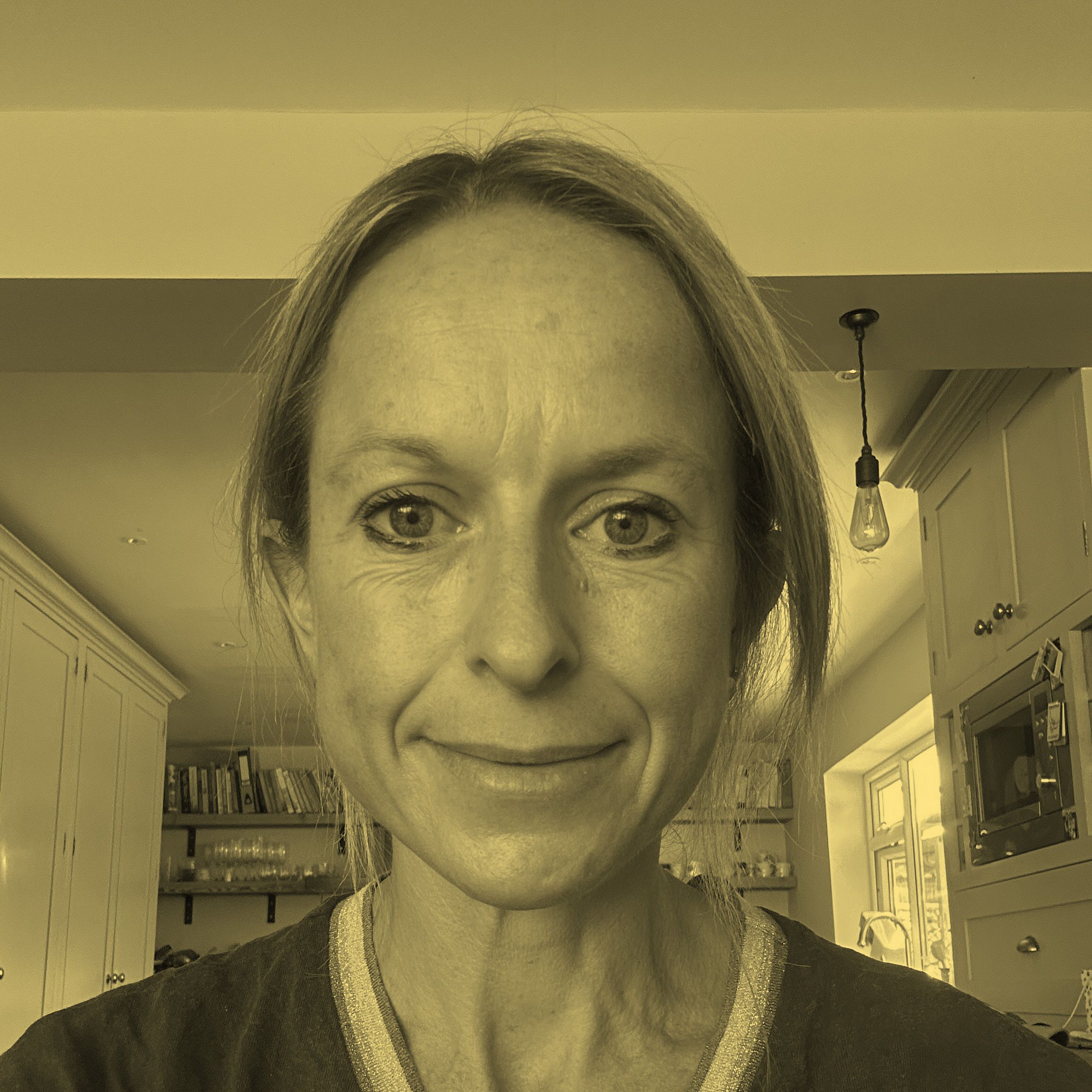
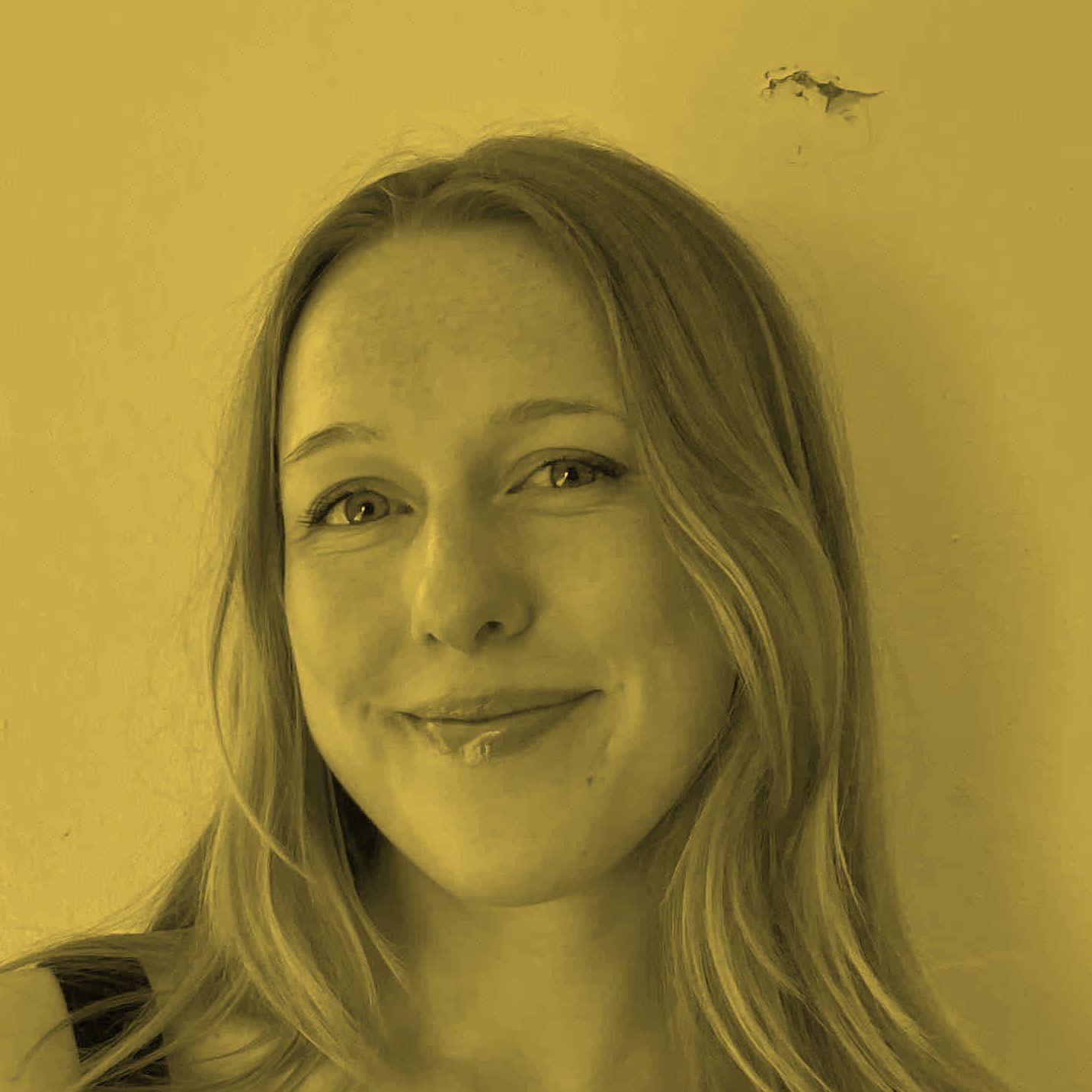
Matt Hopper

Founder & CEO

Matt built Trisonic after years inside broadcasting and audio content production. Making the work, running the studios, seeing first hand what happens when creative gets treated as an afterthought. He started the agency because he knew it could be done better. He leads the creative and the business, and he's still the person who'll push back on your brief if it isn't right. (He'll be nice about it.)

Image

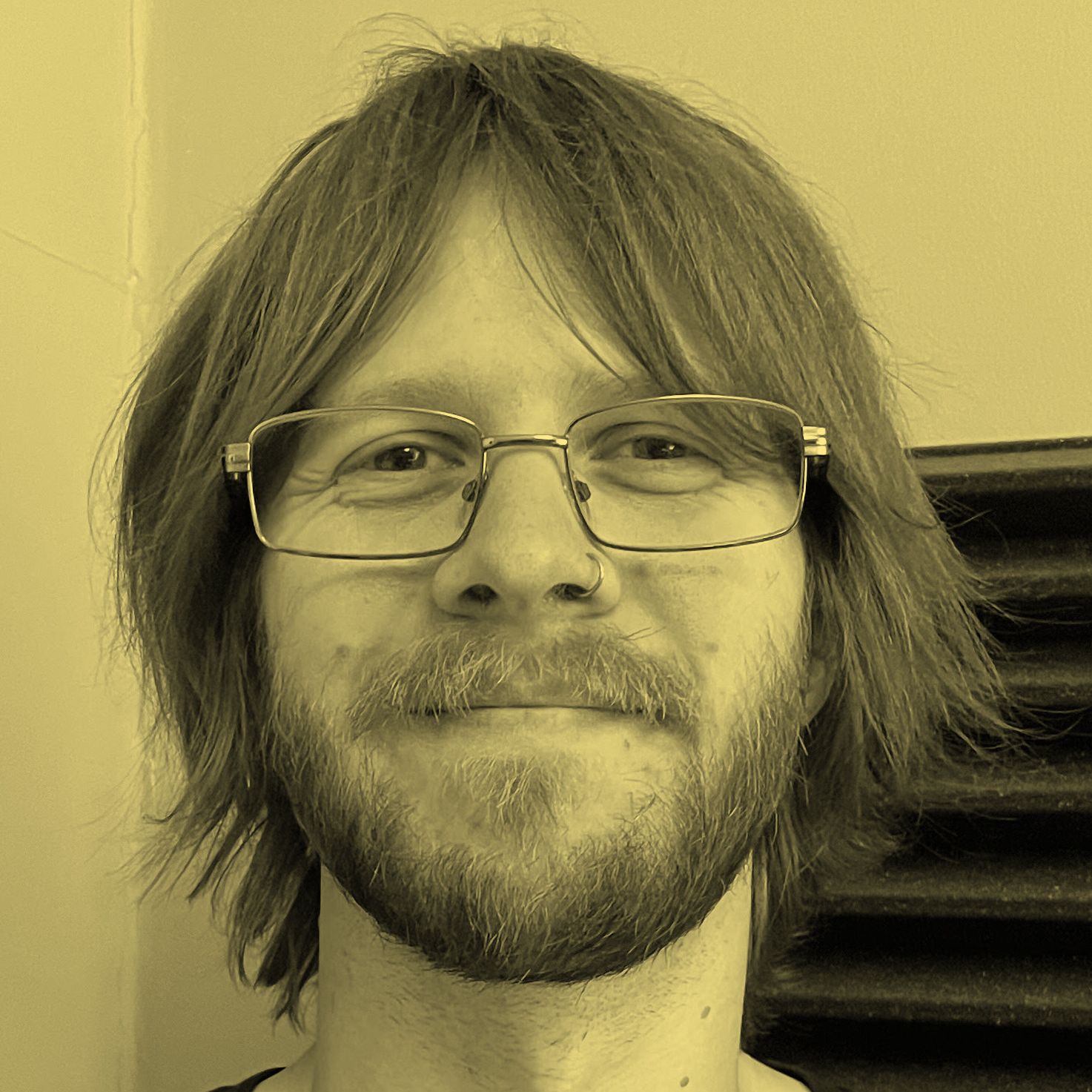
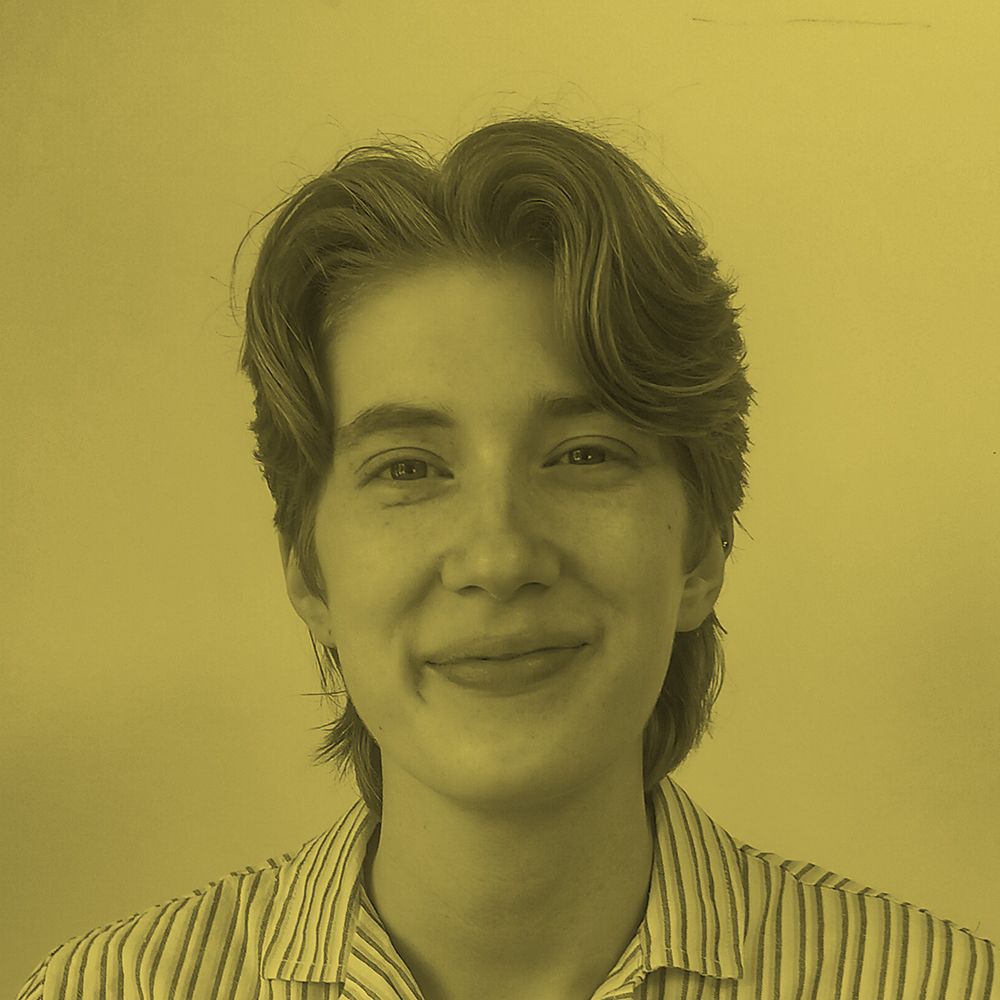
Tim Nice

Commercial Director

Tim has seen the audio industry from the other side: the media owner side, the client side, the "we need this yesterday" side.

He brings the commercial instinct, and he's the reason Trisonic's conversations start in the right place. If you're wondering whether audio is the right investment for your brand, Tim's the person to ask.

Image

Johnny Griggs

Musical Director

You've heard Johnny's work. You just don't know it yet. He co-produced the theme music for EastEnders (yes, that one - doof doof) and has written and produced for brands including Budweiser, British Airways, Audi, Wickes, BT and Guinness. He's the person who makes Trisonic's work sound expensive, even when the budget says otherwise.

Image

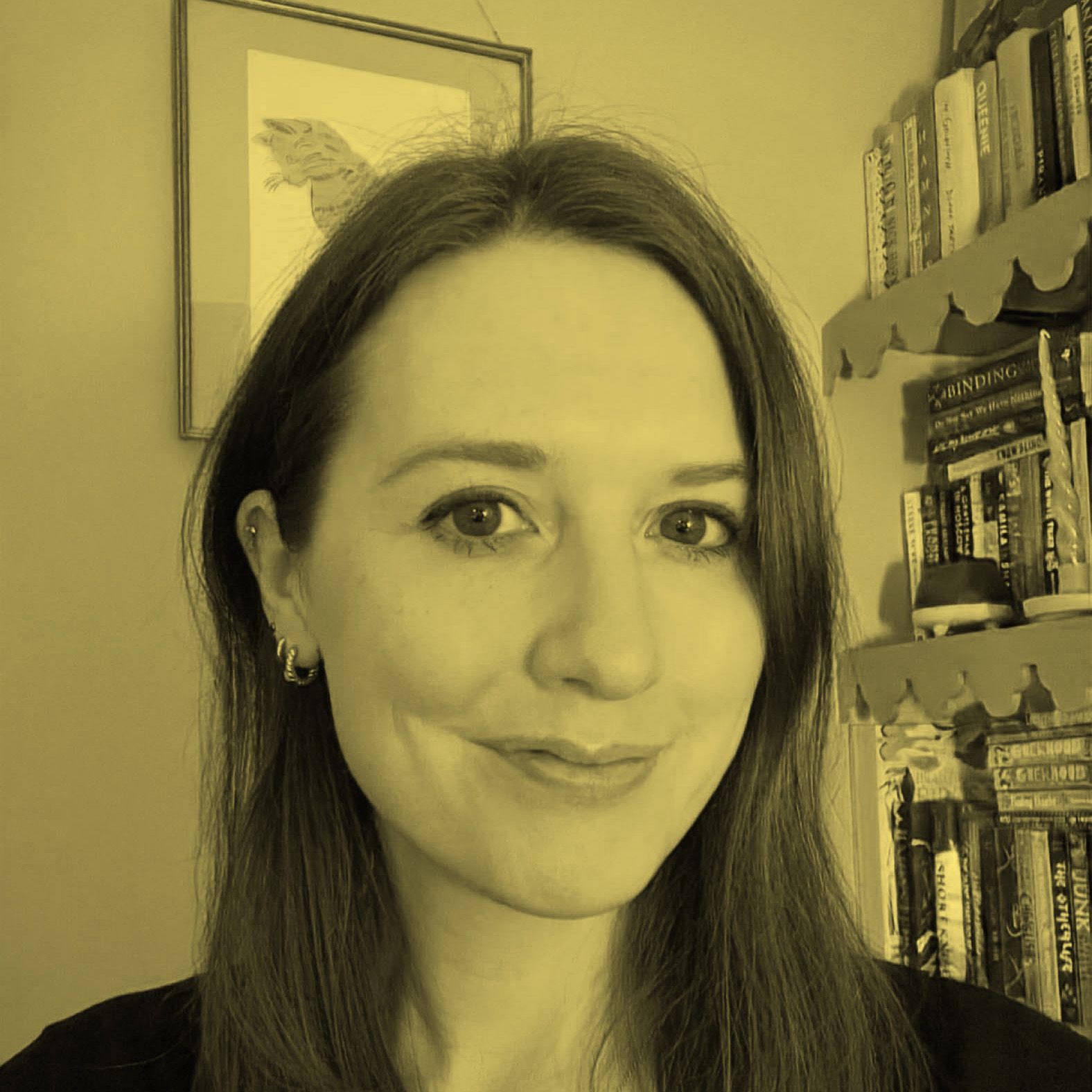
Carla Mercer

Video podcast editor

Carla is an award-winning podcast editor whose work spans The Times, the BBC World Service, and many more. She won Silver at the 2025 British Podcast Awards and an International Women's Podcast Award for her contributions to Dear Daughter. She edits audio and video with equal precision, speaks four languages fluently (plus Icelandic - really!), and brings the kind of post-production instinct that turns good recordings into polished, publishable content.

Image

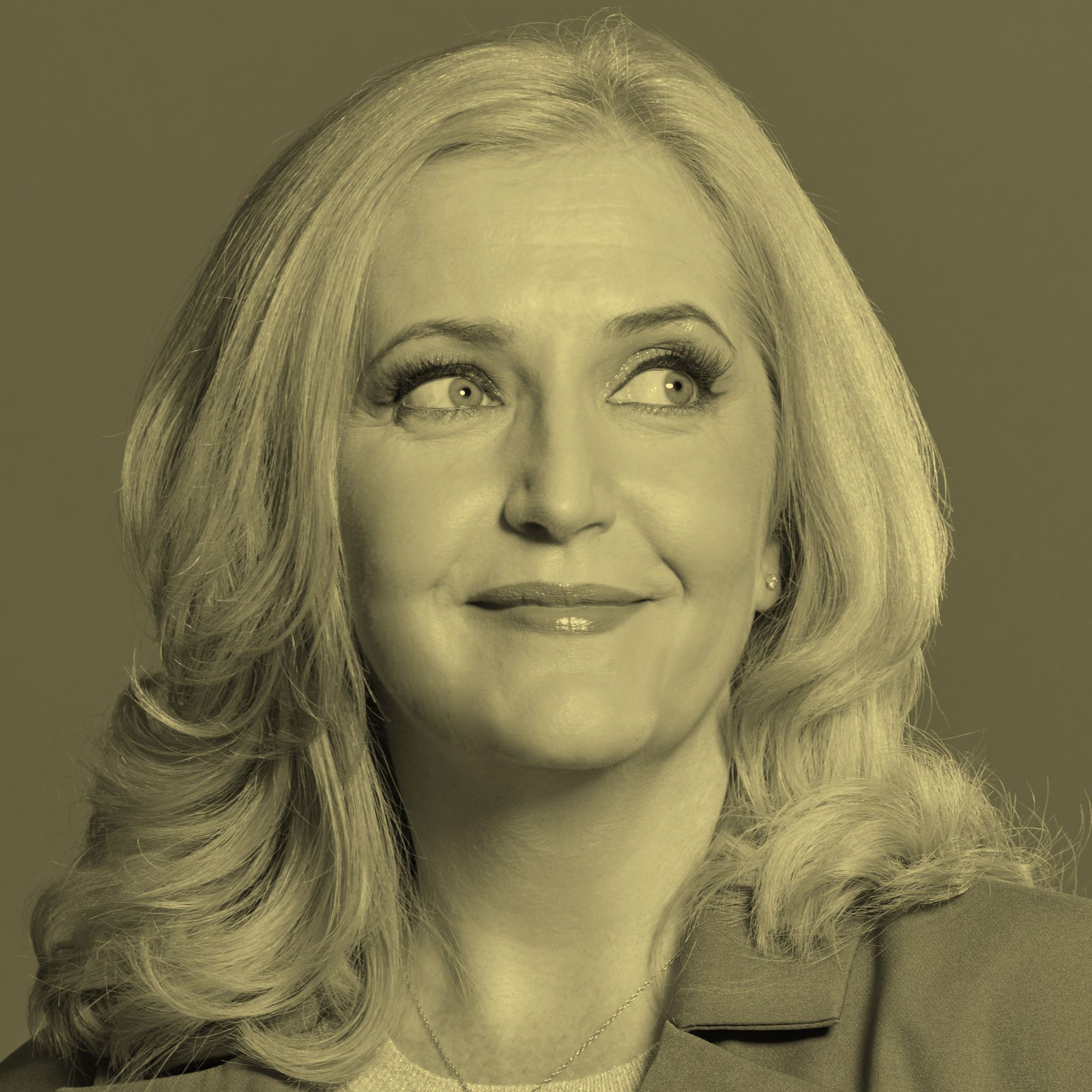
David Spencer

Producer

David has launched global podcasts for Reuters, was Head of News at News UK's Wireless Group, and trained journalists for the British Army and the UK Foreign Office. He also lectures at the University of Westminster and City Lit, which means he can explain exactly why something works, not just make it work. He brings that clarity to every Trisonic production: the instinct of someone who's done this for three decades, and the patience of someone who teaches it.

Image

Oliver Denman

Sound designer

Oliver started at BBC Audiobooks and has spent twenty-three years making audio tell stories: first as an editor, now as a sound designer who brings narratives to life with immersive, illustrative soundscapes. His sound design for Storytel's dramatisation of 1984 earned an Audie Award nomination, and he was selected for the BBC's Sound First scheme. He knows what it takes to make a listener forget they're listening.

articles

From the studio

Vintage tone knob

How to brief an audio agency (so you actually get what you need)

A great audio brief covers: what the audio needs to achieve, who it’s aimed at, where it’ll run, what brand assets exist, what the budget and timeline look like, and how much creative freedom the agency has to push the work. Get those right and the rest tends to follow.

Read more
Analogue recording studio

AI can write your audio ad. Here’s what it can’t do.

There’s a gap between content that exists and content that performs. And that gap is where humans still make the difference.

Read more
Podcast host earling headphones at microphone

The branded podcast graveyard: why most die after six episodes

A podcast needs to answer three questions before anyone goes near a microphone. Who is this for? Why would they listen? Why would they come back? If the answer to any of those is vague, the show is already in trouble. The audience you’re hoping to attract has thousands of other options. Your podcast has to earn its place against all of them.

Read more
TV white noise on screen

Why your TV ad doesn’t work on radio

It seems like it should be straightforward. You’ve got a TV campaign that’s tested well, everyone loves it, the script is sharp. All you need to do is adapt it for radio. Take the script. Book a voice. Record it. Done. Except it never quite works like that, does it?

Read more
Most brands produce audio in isolation. Here’s what happens when you join it up.

What does an audio strategy actually look like? (And why don’t you have one?)

Ask a marketing director if they have brand guidelines and they’ll point you to a 40-page PDF. Fonts, colours, tone of voice, logo usage, the lot. Everything anyone needs to keep the brand consistent across every touchpoint. Now ask them what their brand sounds like. Most of the time, you’ll get a pause. Maybe a mention of the jingle from three campaigns ago. Perhaps a reference to whatever music the last agency picked. But an actual, documented audio strategy? Almost never.

Read more